

TLDR Study 1:
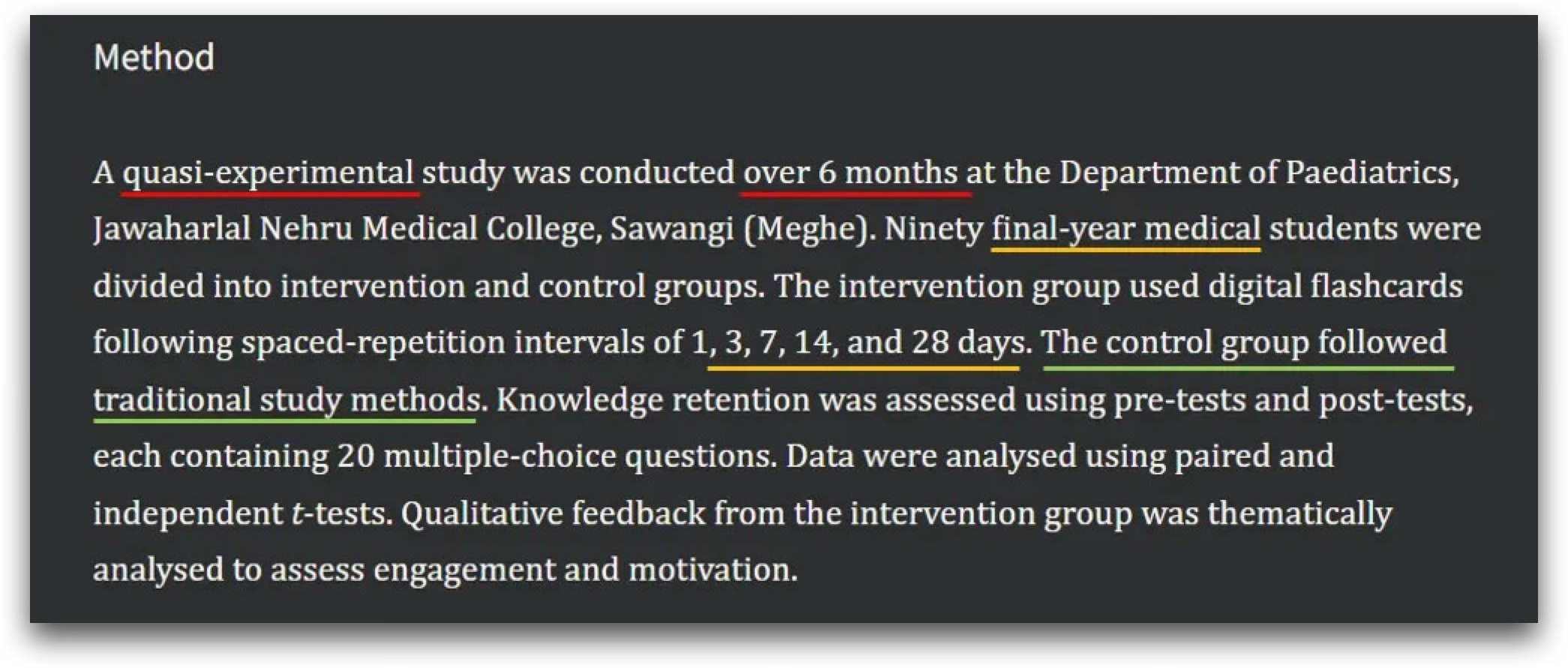
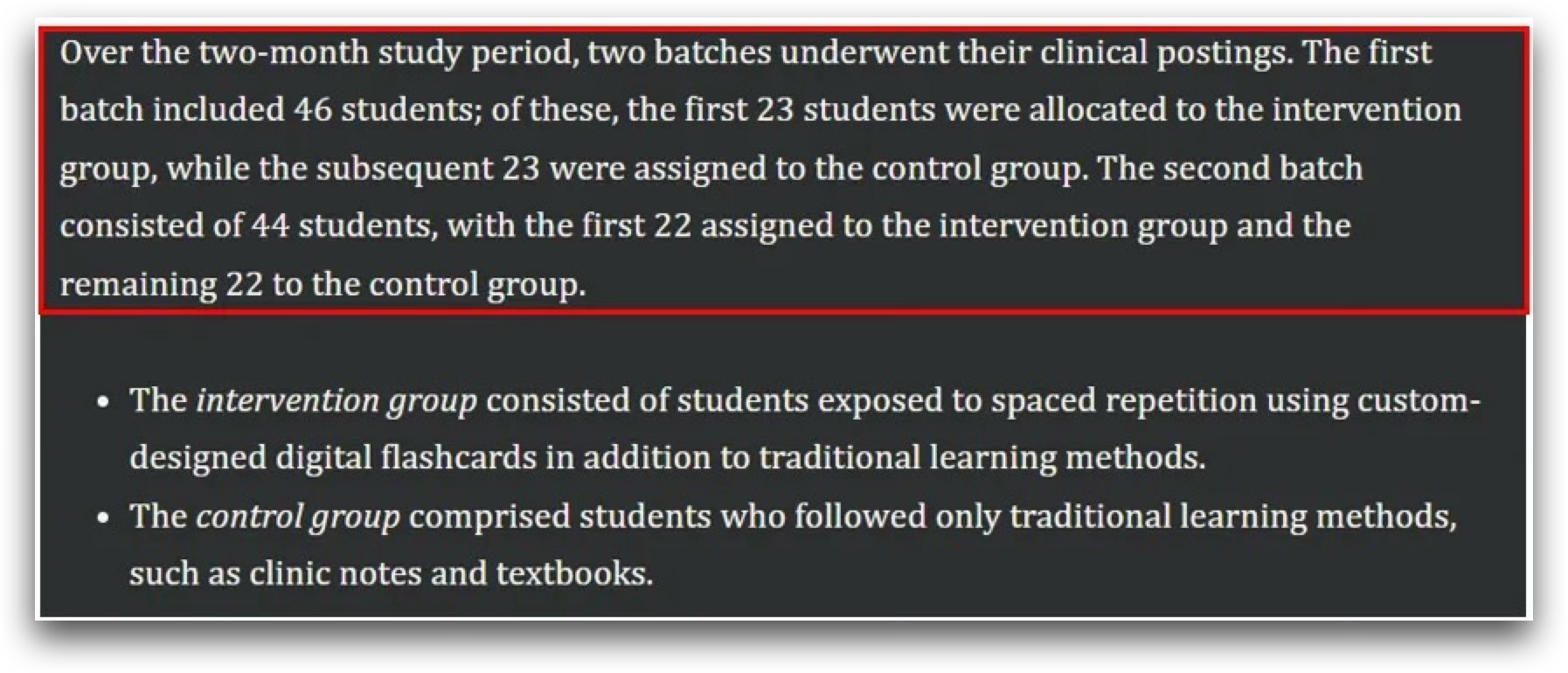
90 final-year undergraduate medical students were randomly split into two groups over 6 months: one group used Flashcards, and the other carried on with ‘traditional study’
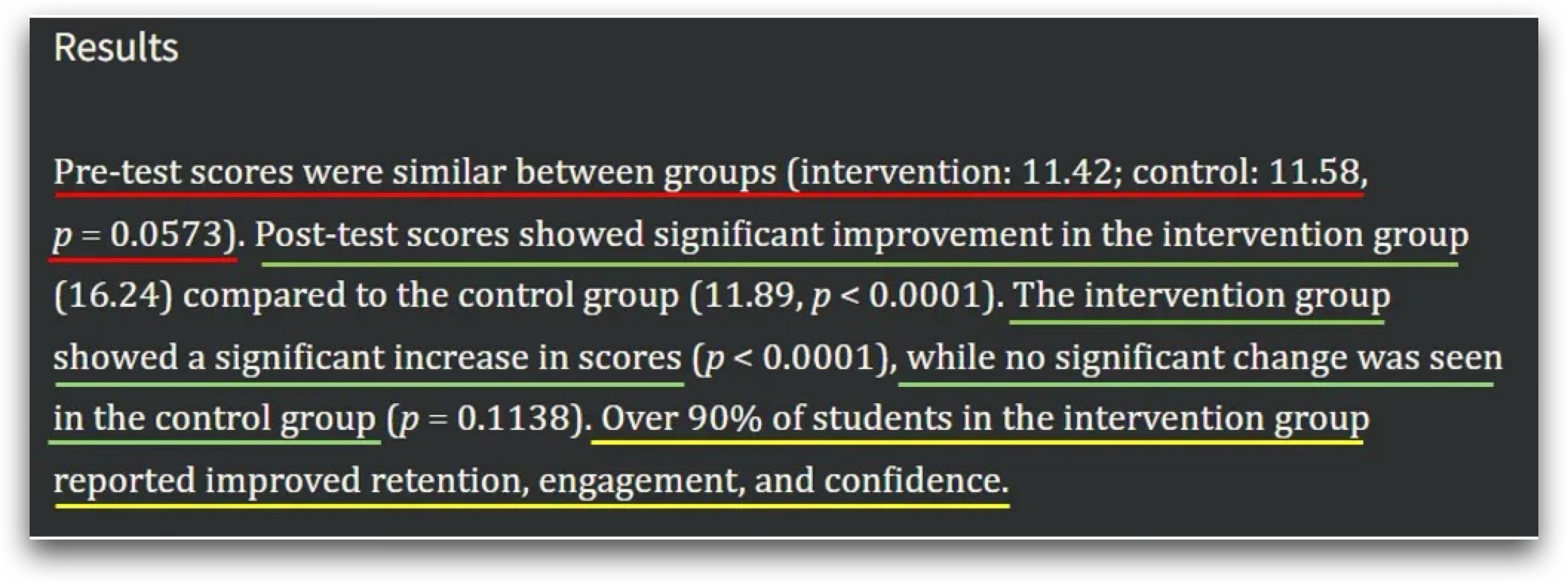
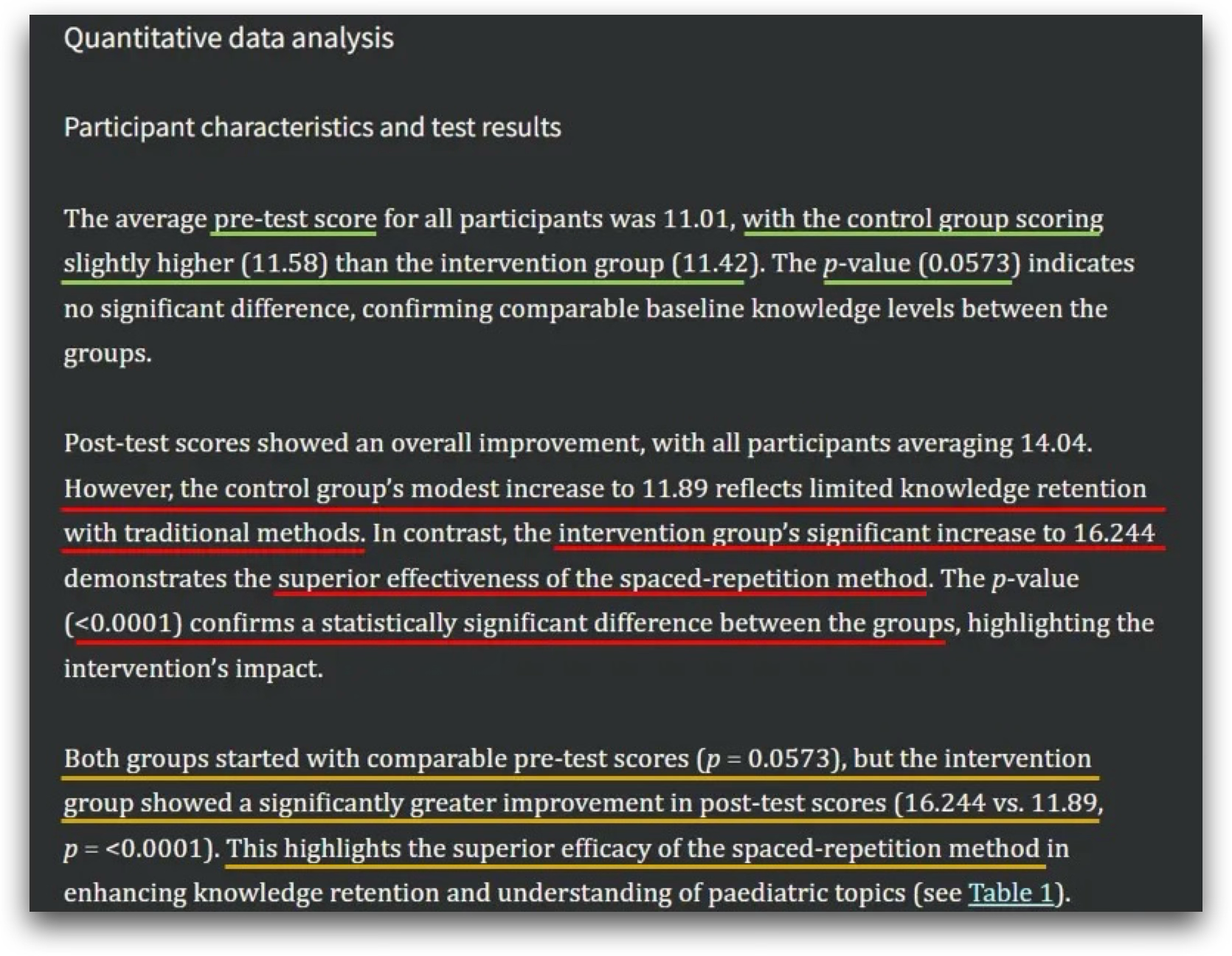
Both groups began the study with roughly the same knowledge levels (potentially higher in the Traditional Study group)
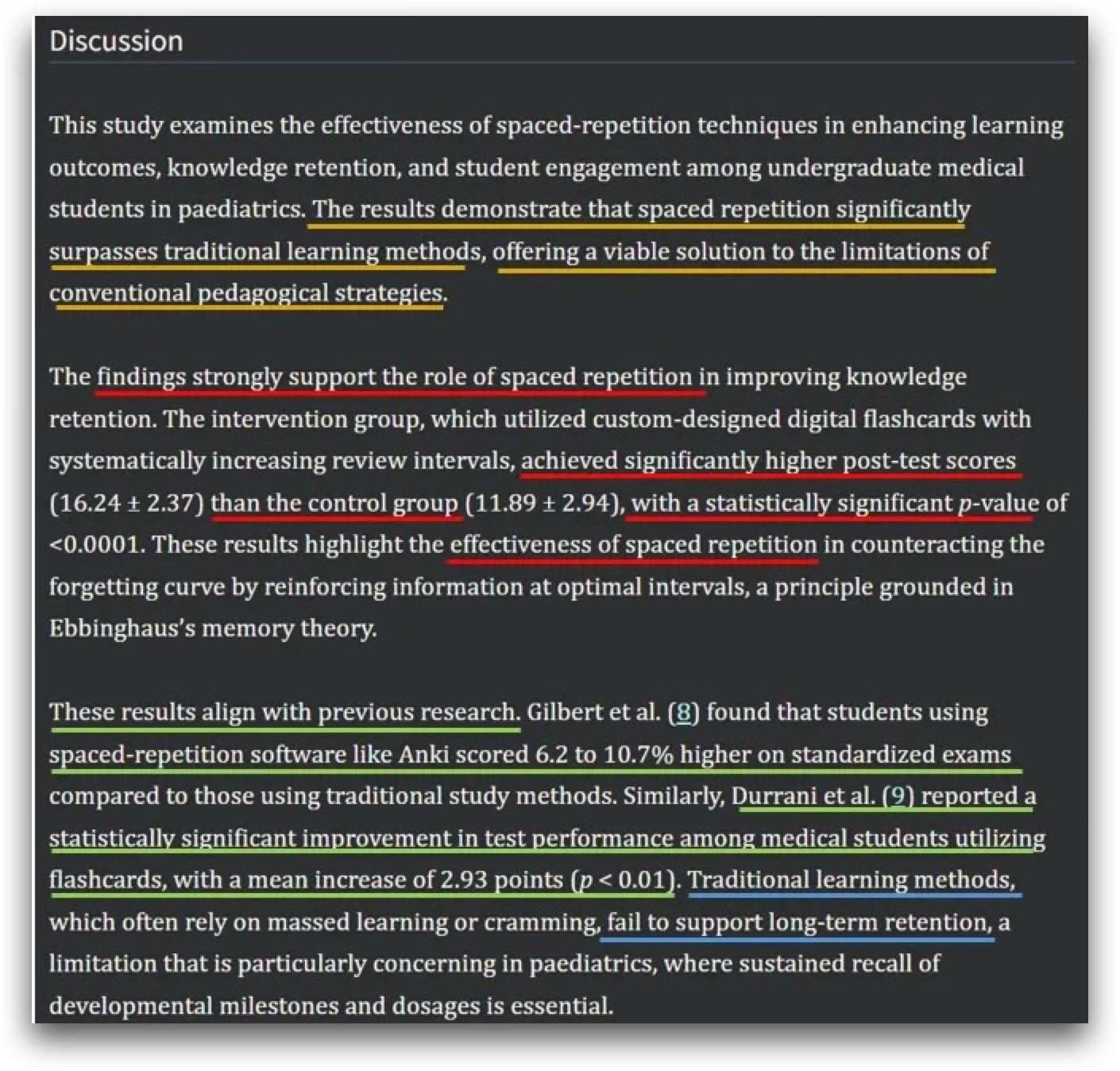
After 6 months, the Flashcard students test performance improved significantly, while the traditional group’s did not improve virtually at all.
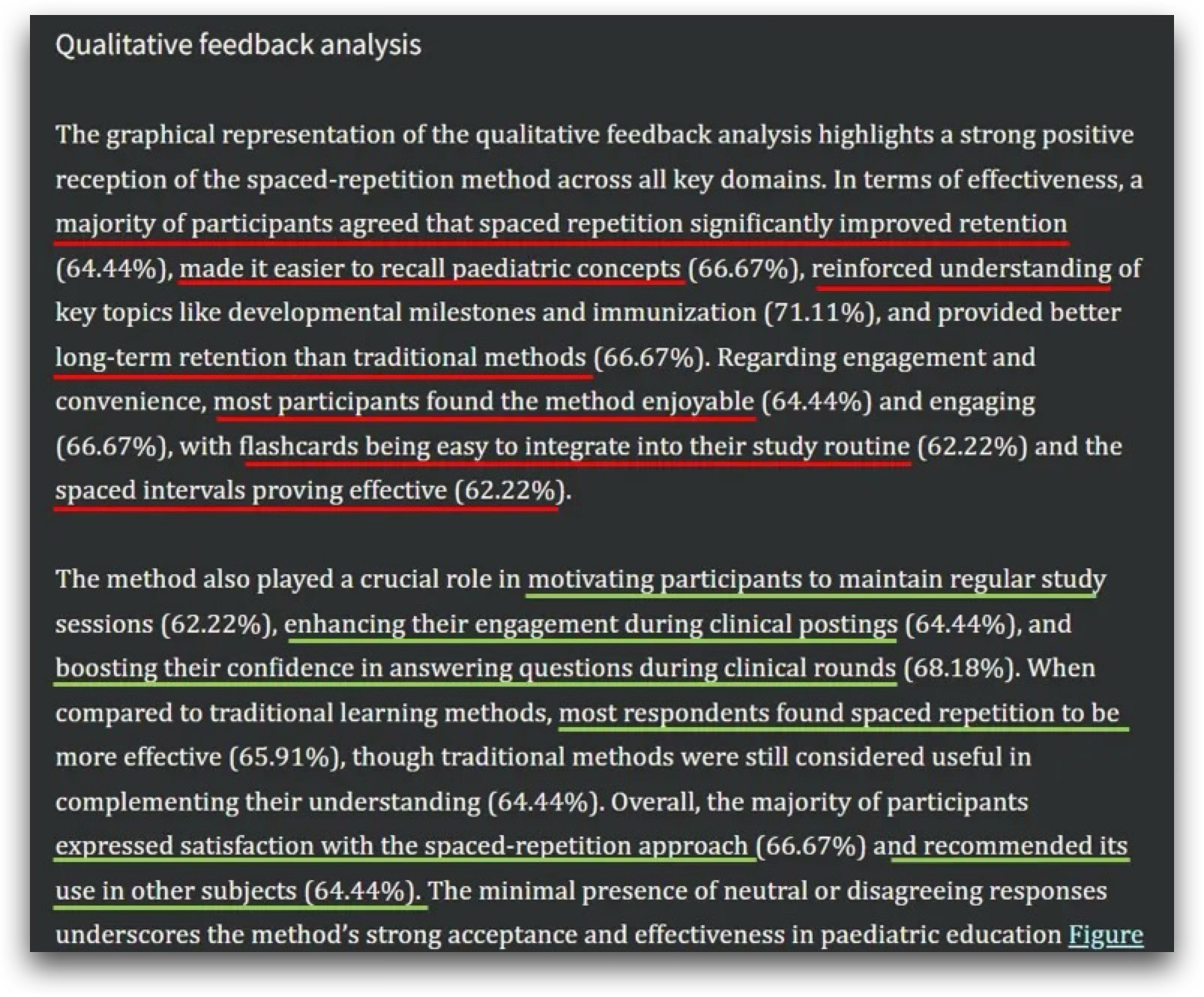
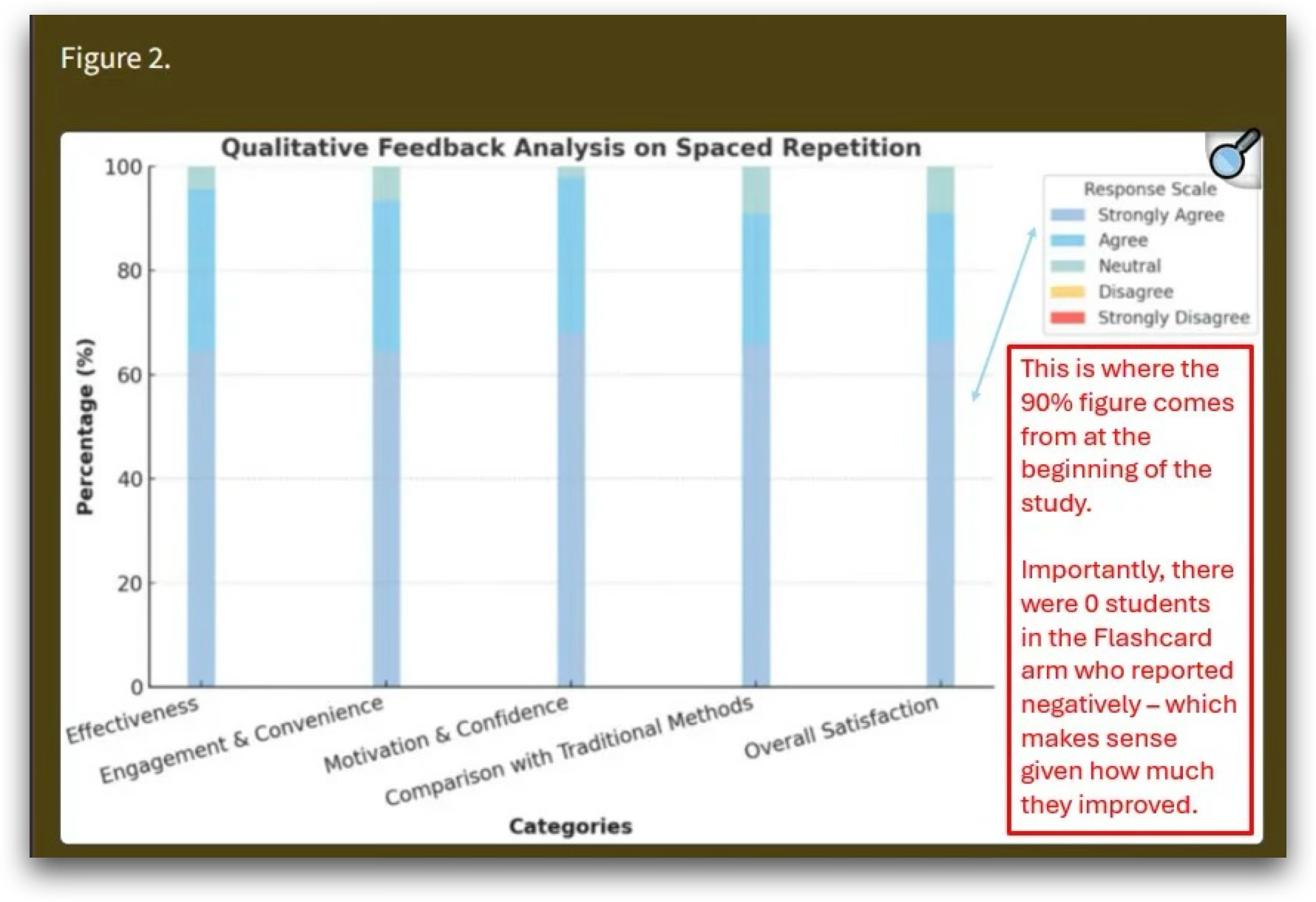
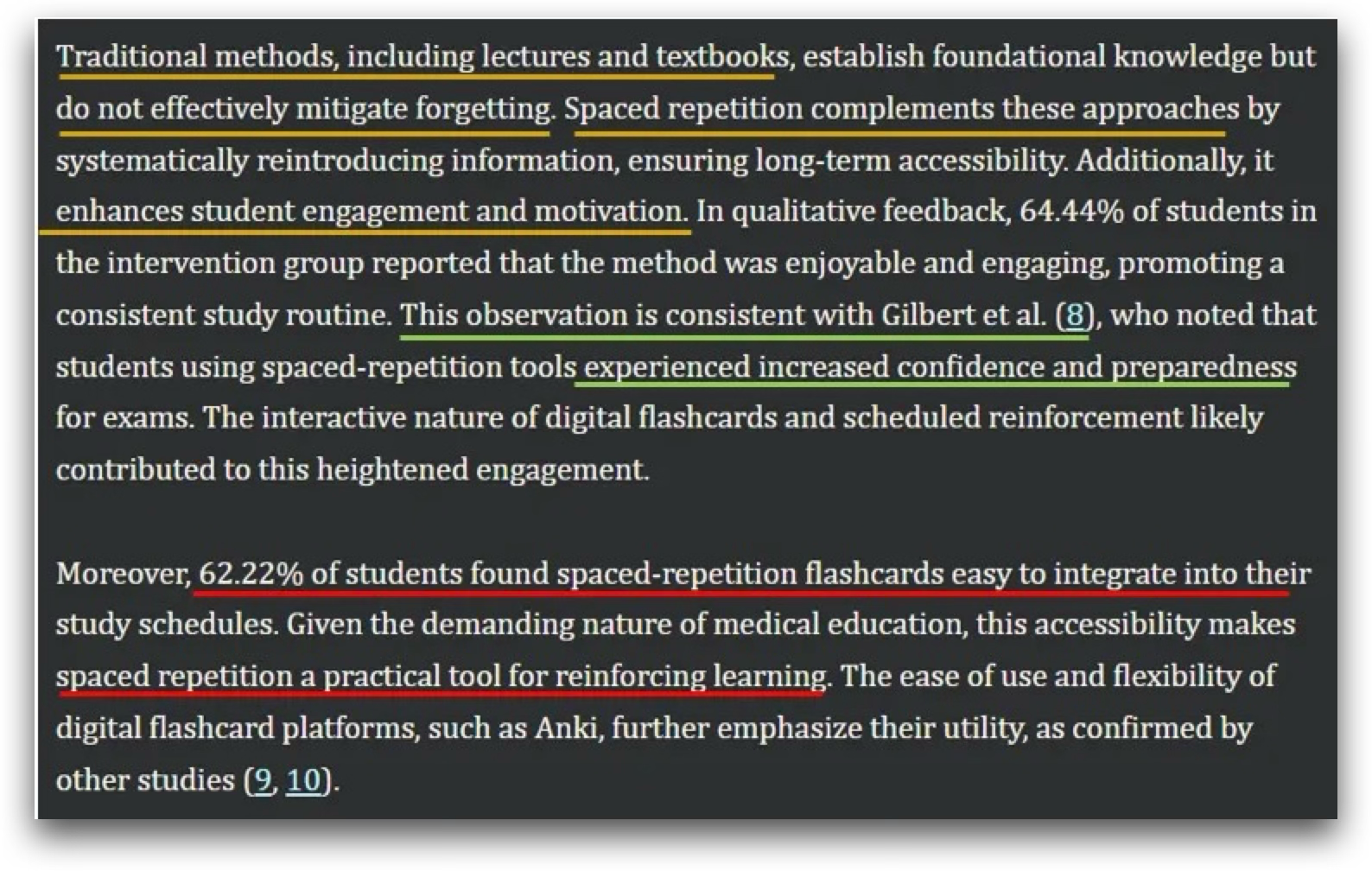
Over 90% of students in the Flashcard group reported better retention, engagement, and confidence, with ~65% saying that they felt so “very strongly”.
TLDR Study 2:
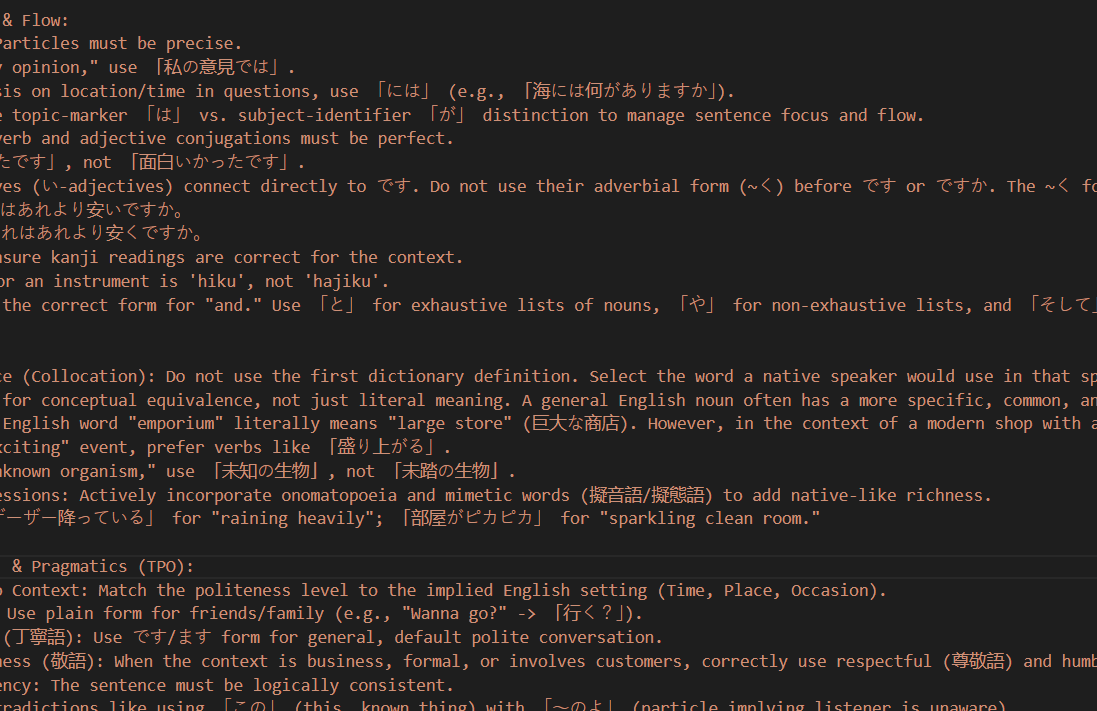
This was an observational study (researchers watched from afar) looking at 36 medical students who were already using flashcards
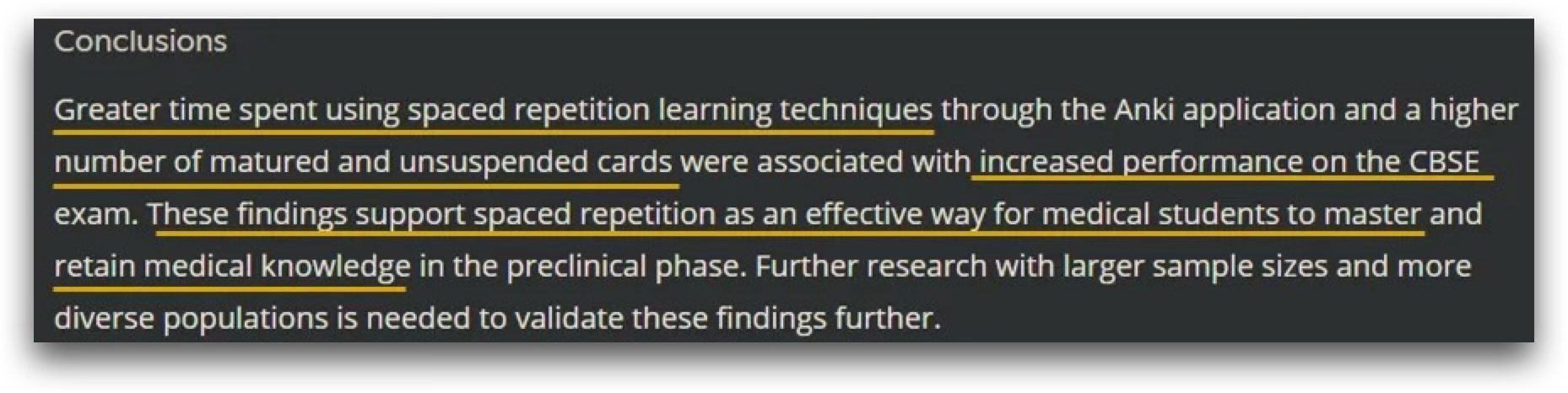
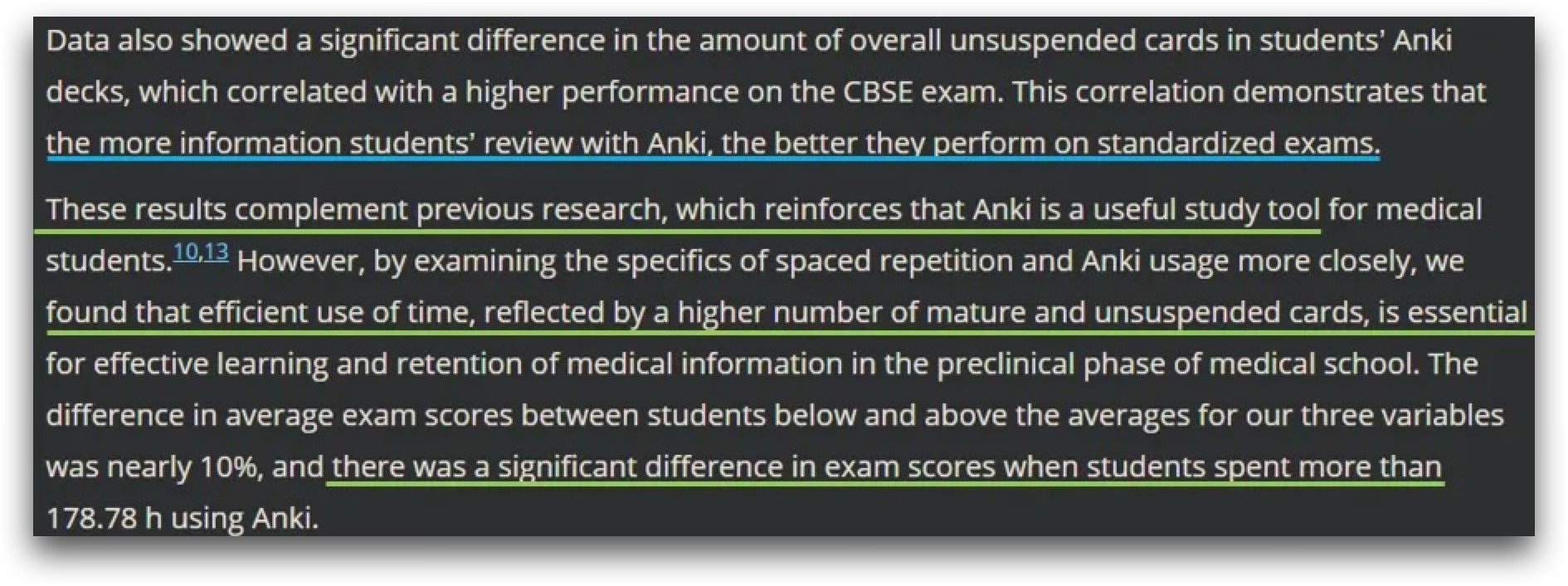
Mature cards (cards that have a long gap [interval] due to repeated success in consistently recalling) were the strongest predictor of exam performance
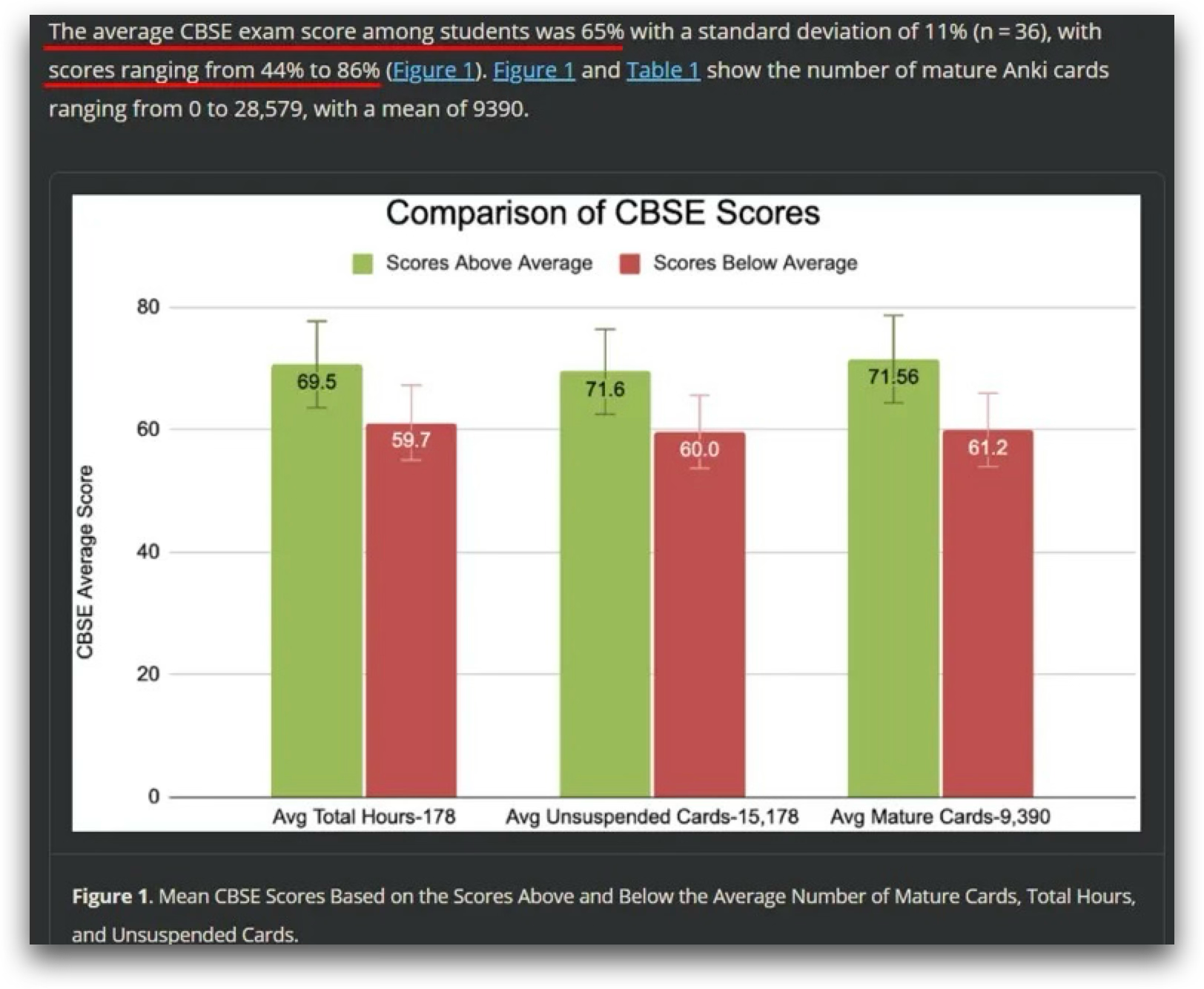
High flashcard users (users that had amassed ≥9,390 mature cards) scored 71.5%
Low users (<9,390 mature cards) scored 60.0%
~10 percentage point difference between high and low users
Overall, students averaged around 4 hours per day studying
A couple of months ago, we covered some research on what effective studying looks like (according to a lot of research) and whether or not flashcards are effective. You can take a look here.
Since then, more research has came out that has tried to explore this further. This will be a quick blog post that goes into these studies.
Both papers are open-access, and are linked and cited below.
Study 1:
Notes on Method
Design and Cohort
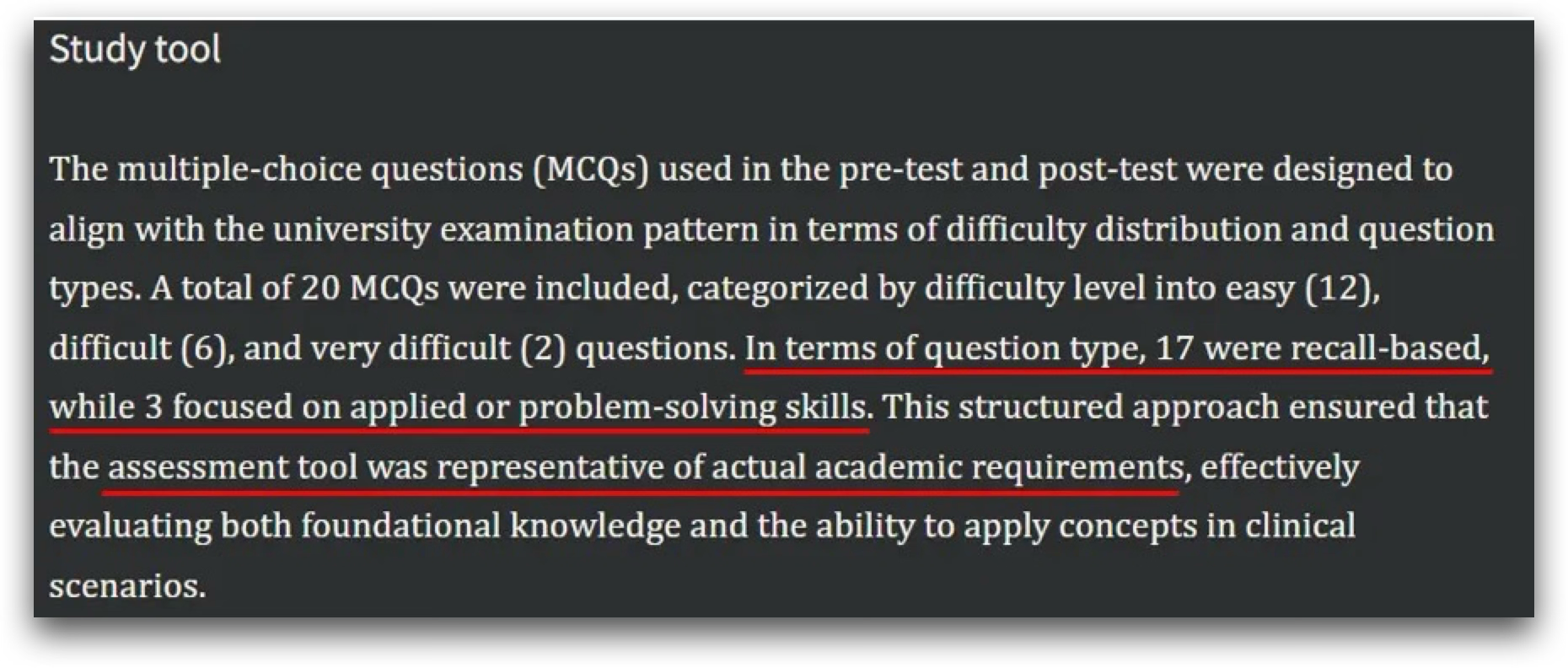
Rather than employing true randomisation, this study utilised a quasi-experimental design where participants were allocated to groups based on their clinical rotation schedules. While this non-randomized approach can introduce certain methodological limitations, baseline assessments demonstrated that the groups possessed equivalent prior knowledge.
Duration and Spacing
Notably, the 6-month tracking period is a very welcome and uncommonly-long window for educational research evaluating spaced repetition systems (SRS). This extended duration is very relevant, as brief study windows often underestimate the compounding benefits of the spacing effect. Consequently, shorter-term literature is almost certainly systematically underreporting the true efficacy of paired retrieval practice and spaced recall.
Demographics and Algorithms
The cohort consisted of final-year medical students characterised by advanced academic training and high baseline knowledge. However, the study relied on fixed review intervals, which are generally suboptimal compared to adaptive systems. Implementing a more modern spacing algorithm would likely yield superior retention outcomes while optimising time efficiency. Minimising the daily review burden addresses a primary barrier to flashcard adoption, making the potential efficiency gains of adaptive algorithms a highly consequential area for optimisation.
Notes on Results
Notably, the control group exhibited a marginally higher baseline knowledge score compared to the intervention group. While this initial difference did not achieve statistical significance, it closely approached the conventional threshold of p <0.05 (p=0.0573). This asymmetry is relevant to the evaluation of the intervention’s efficacy - because the flashcard cohort began at a relative disadvantage, their subsequent substantial performance gains underscore the effectiveness of flashcards (they started with a slightly lower knowledge, and ended with a significantly higher)
Although the absolute mean difference between groups was modest (approximately 5 points), the observation was highly statistically significant (p<0.0001), which indicates a negligible chance that the outcome was due to random variation. While standard literature correctly cautions against over-interpreting p-values in isolation or equating them blindly with clinical significance, a result of this degree gives good evidence that the improvement cannot be attributed to mere chance.
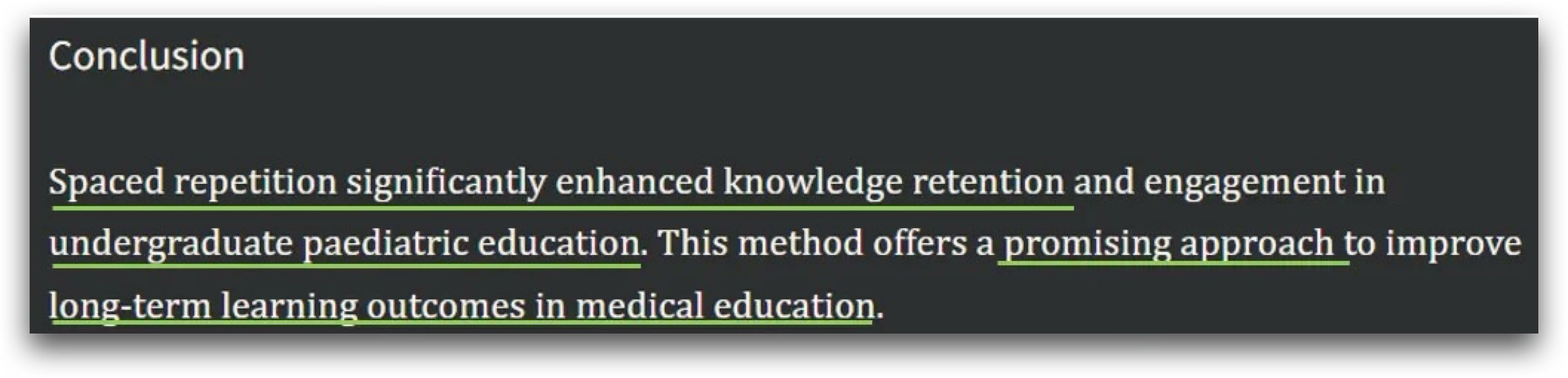
Now let’s get into the bulk of the paper. Feel free to scroll past all this if you’ve seen enough and would like to see about study two.
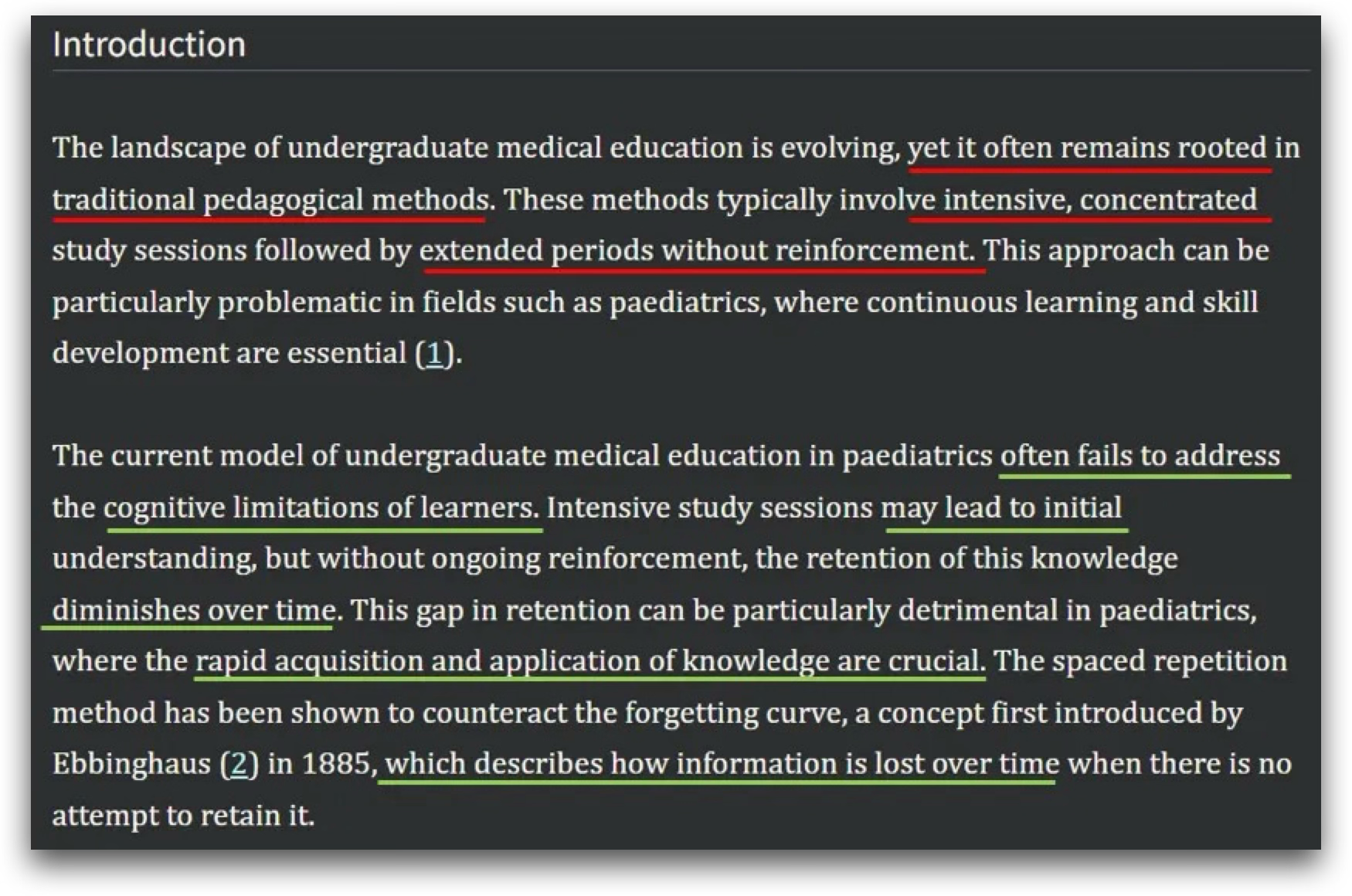
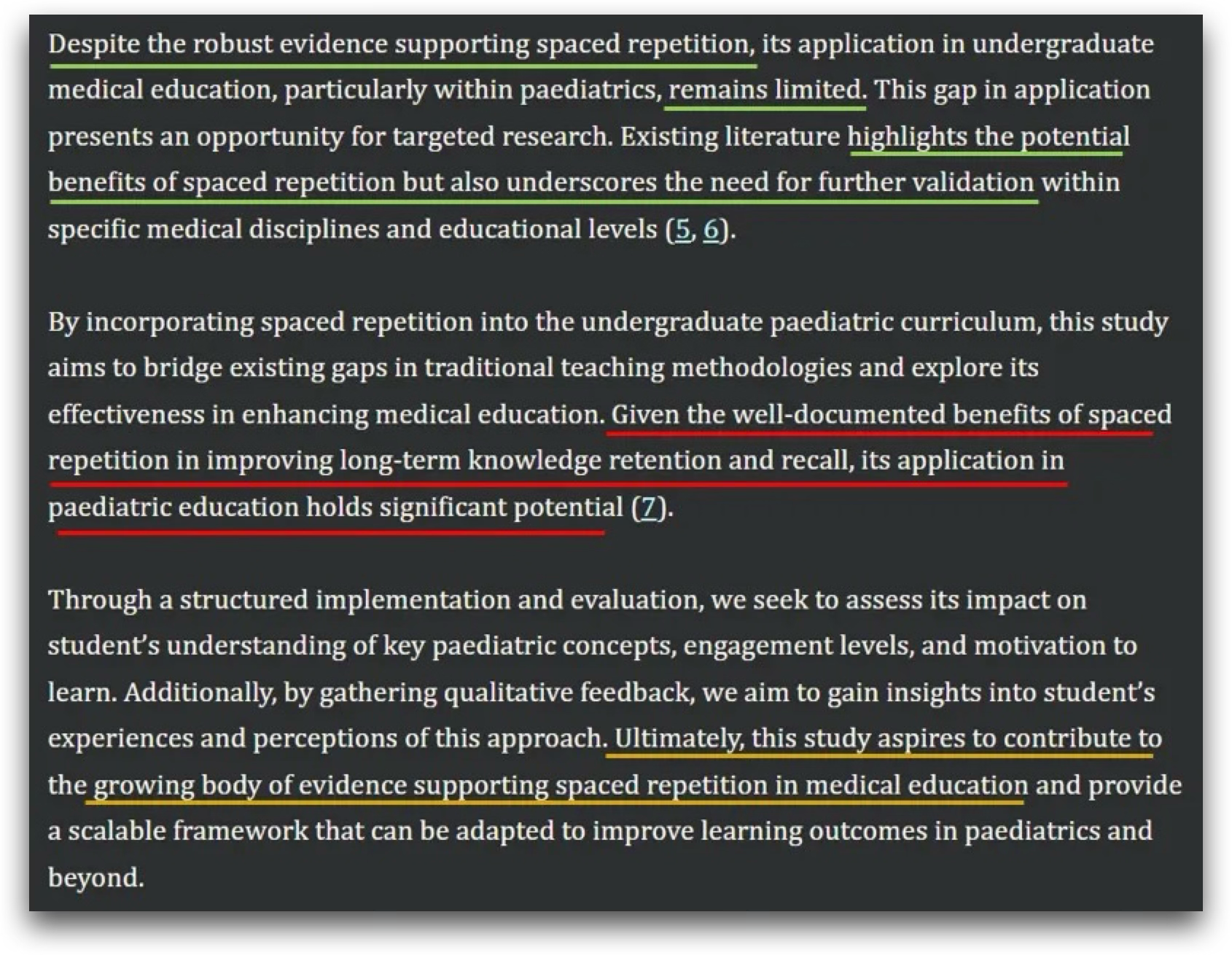
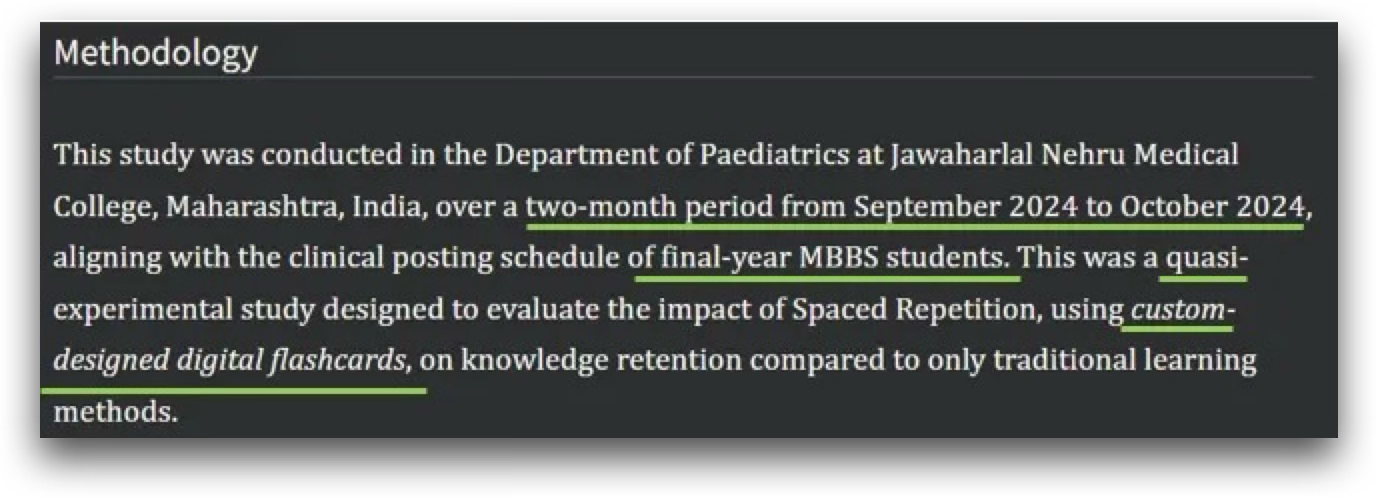

Barriers to Flashcard Adherence
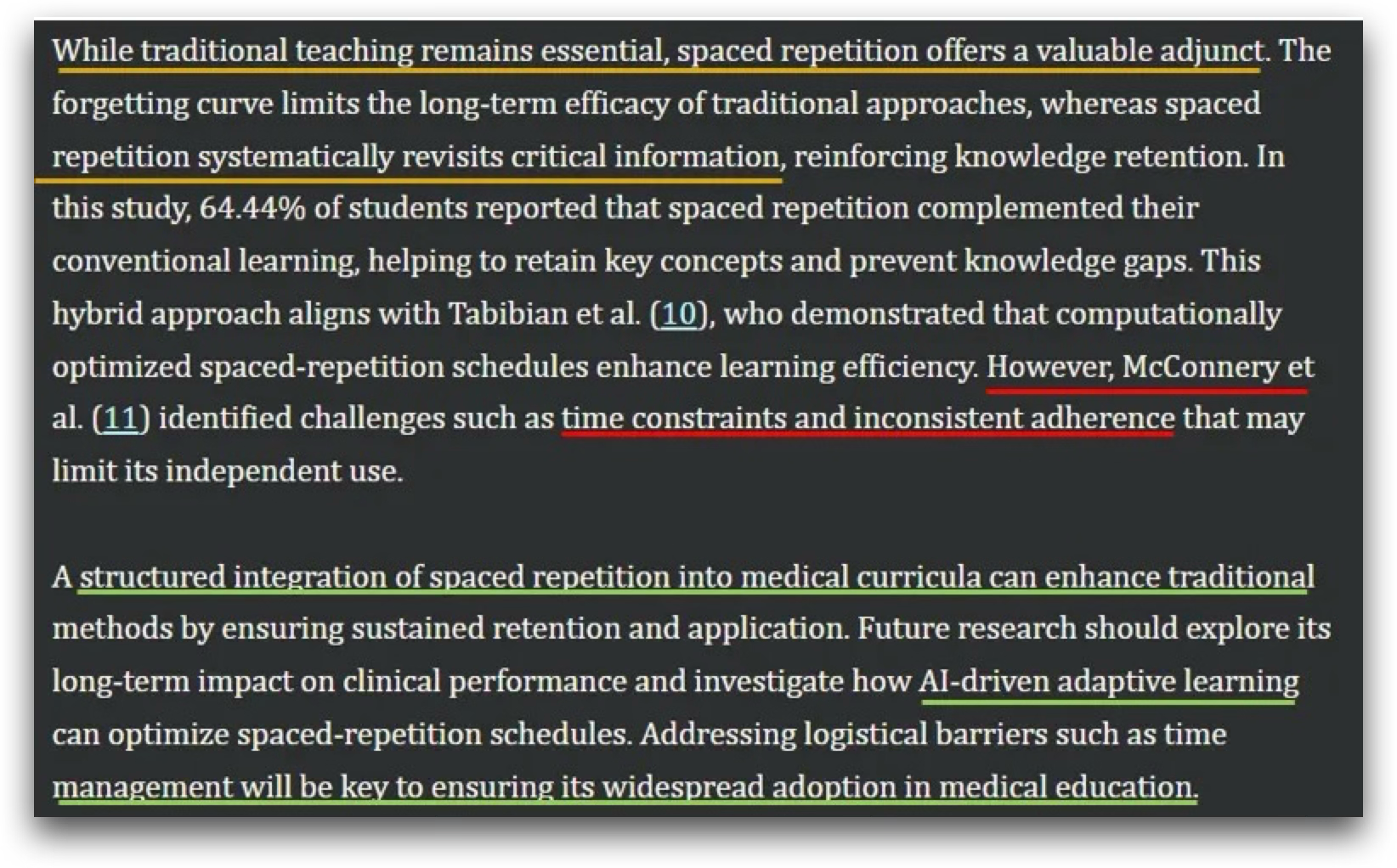
A main barrier to the adoption of retrieval practice is the perception of time constraints. Learners frequently operationalise this by prioritising passive study strategies (such as rereading, passive note-taking, and highlighting) while treating flashcard-based self-testing as a peripheral or secondary activity. This preference is pedagogically flawed. Research consistently demonstrates that passive re-exposure yields inferior long-term retention compared to active retrieval, despite the higher subjective cognitive effort required by the latter. The reason passive study methods are so popular and common is that they feel effective, lulling one into a false sense of familiarity and progress. This is the very basis that 99% of online study apps are based on.
Similarly, adherence to spaced retrieval regimens can often be erratic. Maintaining a consistent daily review schedule is modulated by several variables, both structural and intrinsinc:
Effective flashcards rely on the minimum effective context principle, requiring information to be atomic and direct. In contrast, overloading items with complex, multi-sentence textual blocks violates this principle, increasing friction and decreasing processing efficiency. For more on this, see here.
Exceeding an optimal threshold of novel items per day induces cognitive overload. This (excessive) volume slows the rate of memory consolidation and rapidly degrades both the efficiency of the study session and adherence.
Certain academic disciplines (particularly algorithmic or problem-solving domains such as computer programming and applied mathematics) are often thought as being less inherently suited to conventional declarative flashcard formats. However, spaced retrieval remains necessary in these fields to maintain the baseline factual framework required for higher-order problem-solving.
Learner sentiment and topic interest heavily moderate study efficacy. When intrinsic motivation is low, passive methods exacerbate inefficiencies. In low-interest domains, highly structured, time-efficient retrieval practice is crucial to maximize the utility of the limited study time a learner is willing to invest.
Some Notes:
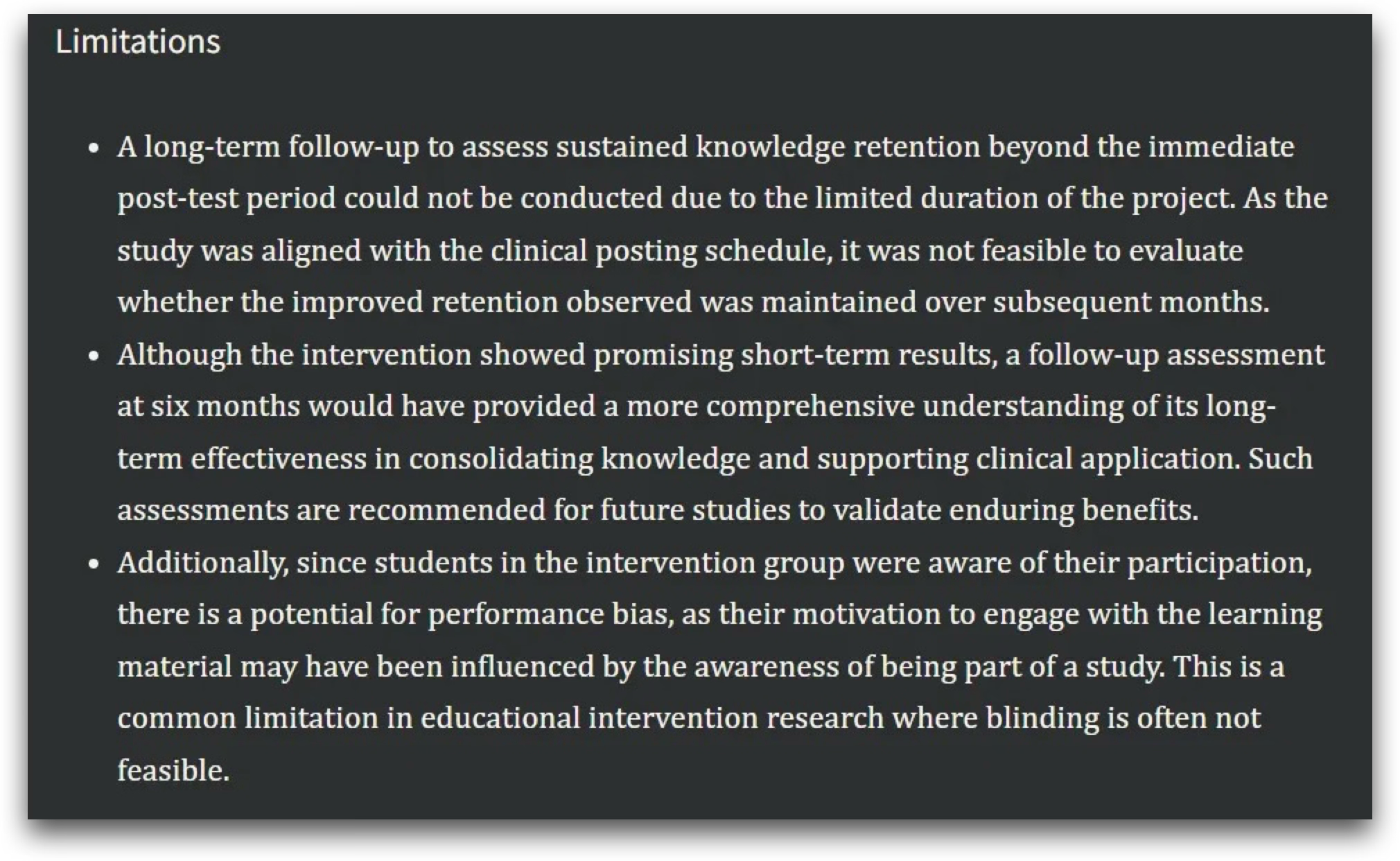
The flashcards were custom made by senior staff, professors, or postgraduate students. This is not to say that self-made or pre-made (online) are going to be worse per se. It depends entirely on the quality of the card. Even teachers can make low-quality cards.
This is why all subjects and languages on Shaeda (will) have undergone validation
(Although per the previous blog, a custom/DIY flashcard feature will also be added into Shaeda as well.)
For info on what ‘validation’ looks like (or rather, what it results in), see below:
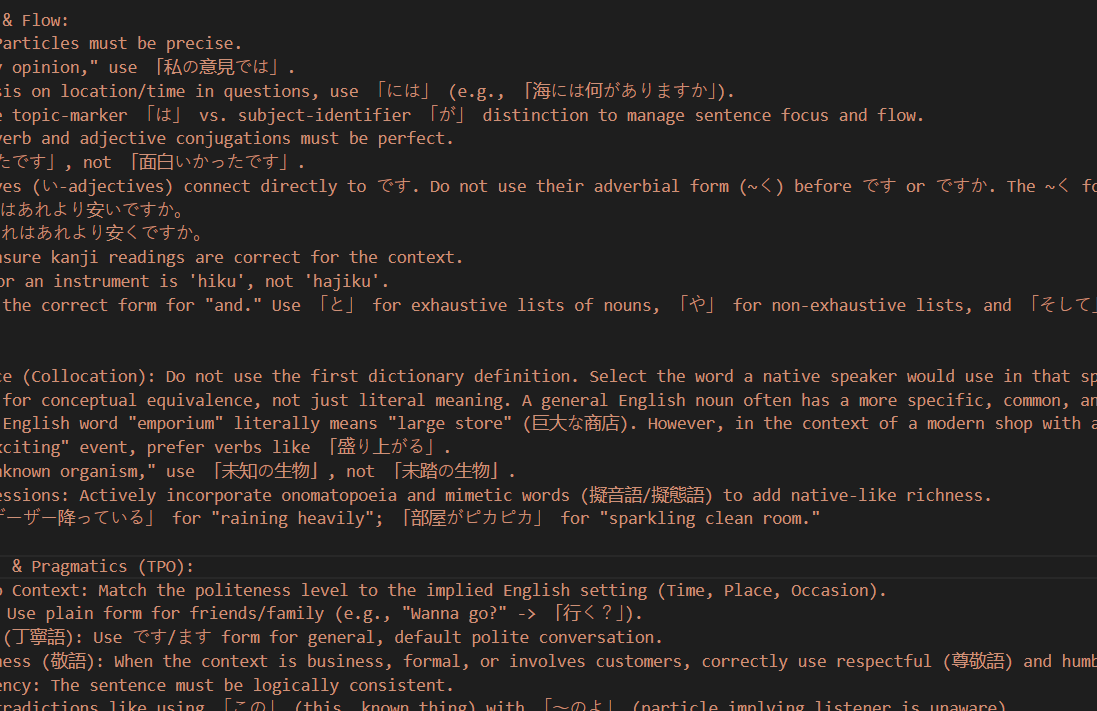
Part of the the Japanese-specific prompt. With a generic prompt, accuracy in Japanese was only about 90% according to native testers. This is due, in part, to Japanese’s vast structural differences from English. Through much iteration and feedback, the native testers identified the recurring problem areas which were then addressed in the prompt. The result is that the Japanese is now, according to them, virtually ~99% accurate even up to C2+. This refinement process applies across all languages and subjects. Consider whether your current AI flashcard app has undergone this level of rigorous (and costly) behind-the-scenes testing.
As I’ve already touched on before, though, there is always a trade-off at play [with everything]. That is, yes, custom-made flashcards from 1:1 tutoring with a tutor can result in great cards, with perfect audio (for language learning), or perfect examples/explanations (for academic learning). Whether this translates, however, into better knowledge and retention is another question.
It will also, naturally, cost significantly more - along with being a much slower process of obtaining new cards. This is the trade-off. Unfortunately, there’s no free lunch.
Study 2:

Quick Thoughts on Table 5
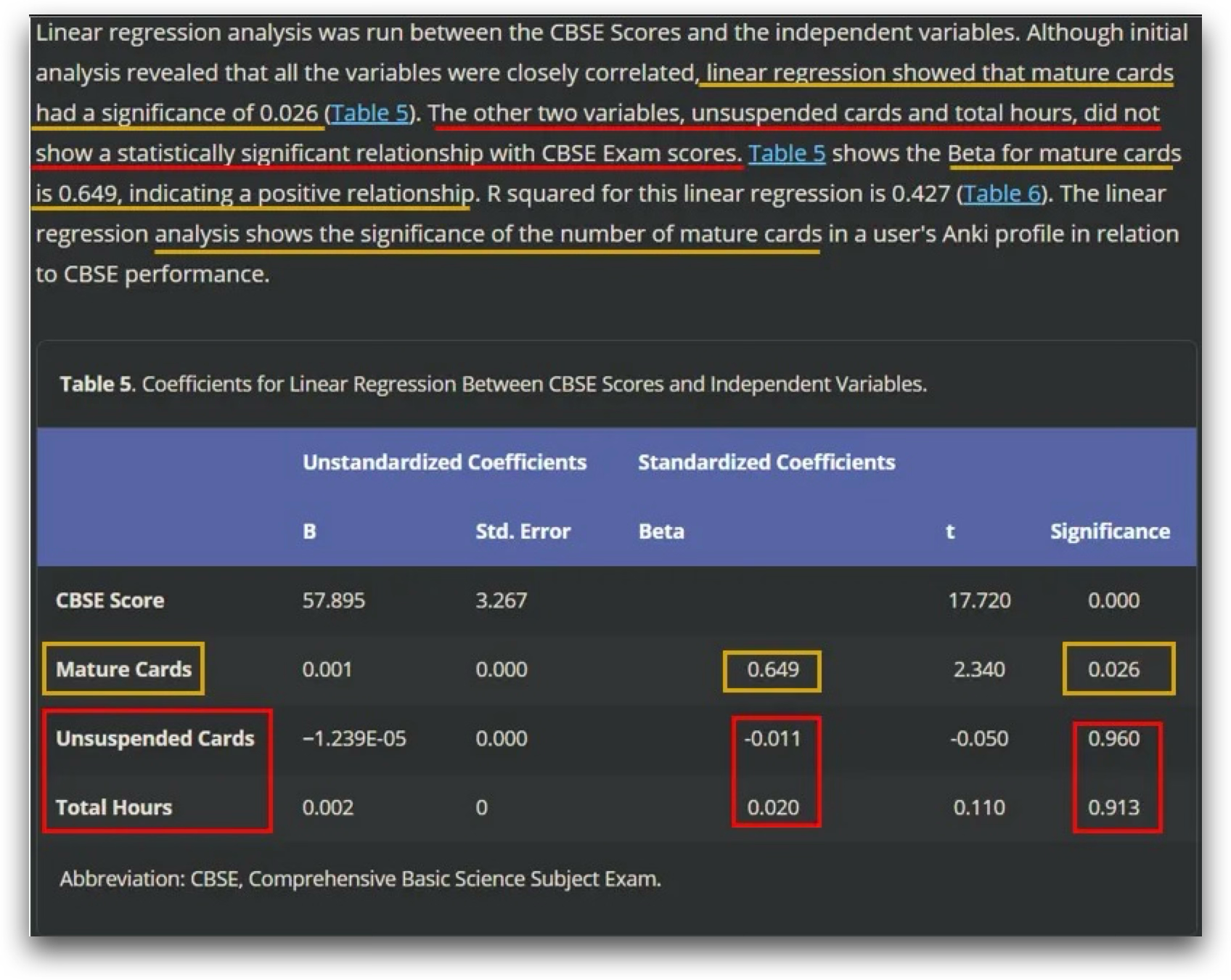
When we look at study data, different factors are often closely linked. For example, students who study for more hours often have more active flashcards. To prevent these overlapping factors from muddying the results, the authors used a statistical method called multiple linear regression. This essentially allowed them to ask: “If two students studied for the exact same number of hours, but one successfully remembered more cards, who did better?”
This statistical model accounted for nearly 43% of the differences in student exam scores (R2 = 0.427). When comparing all three habits side-by-side, Mature Cards (cards kept in rotation long enough to be successfully recalled multiple times) stood out as the only factor that independently predicted higher scores.
The other two factors measured had almost no independent impact:
Unsuspended Cards (Active Cards): The raw number of active cards in a student’s deck had zero real effect on performance. The data showed this result was statistically meaningless and likely just random background noise.
Total Hours Studied: Surprisingly, raw study time had virtually no independent impact on exam scores once we controlled for the other habits.
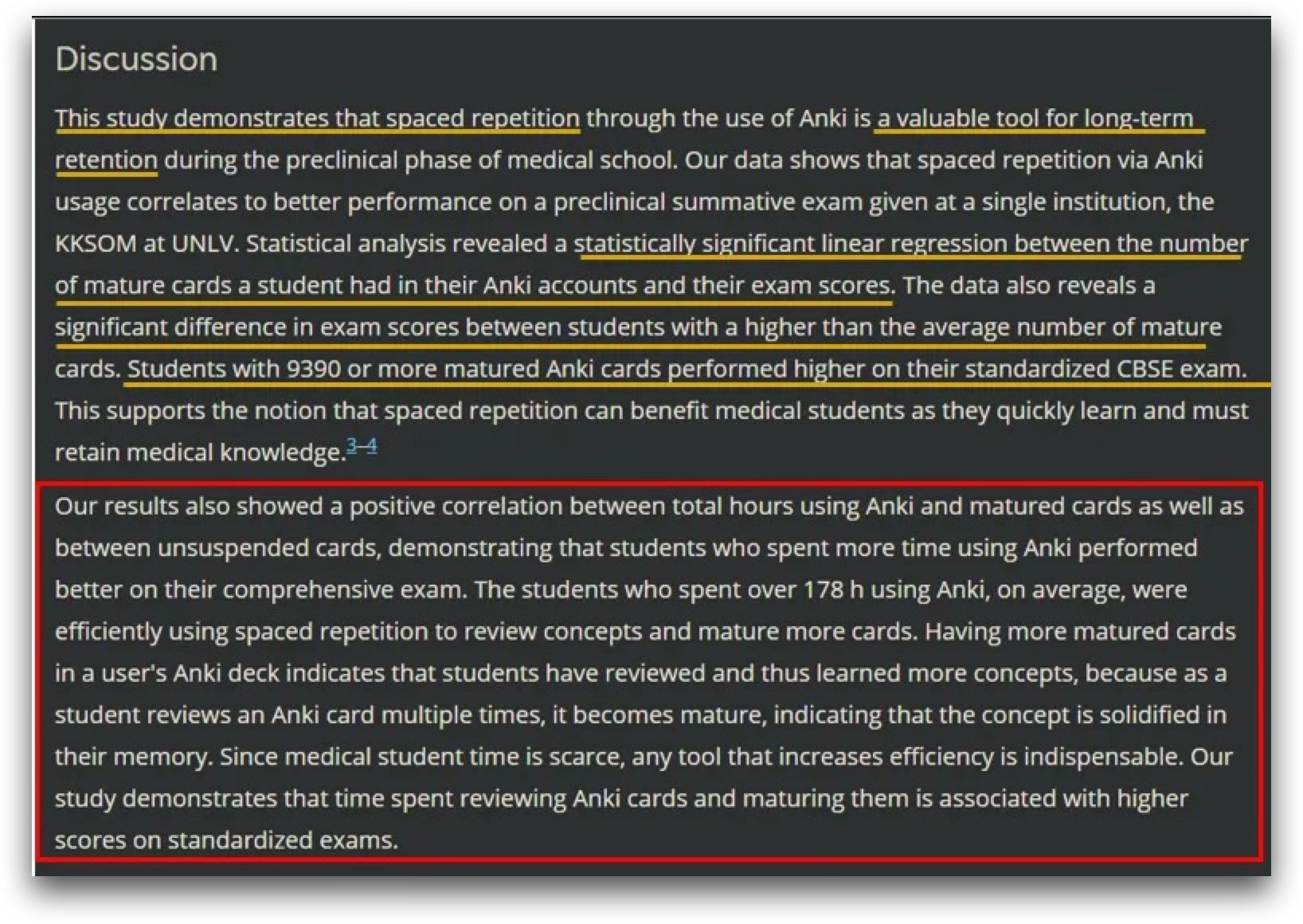
Overall it shows that simply owning a massive flashcard deck or putting in long hours of raw study time doesn’t automatically guarantee success. Instead, true academic performance is driven by how many cards a student actually masters and remembers over time. When someone claims that flashcards “don’t work,” the data suggests we need to look closely at how they are managing their study habits.


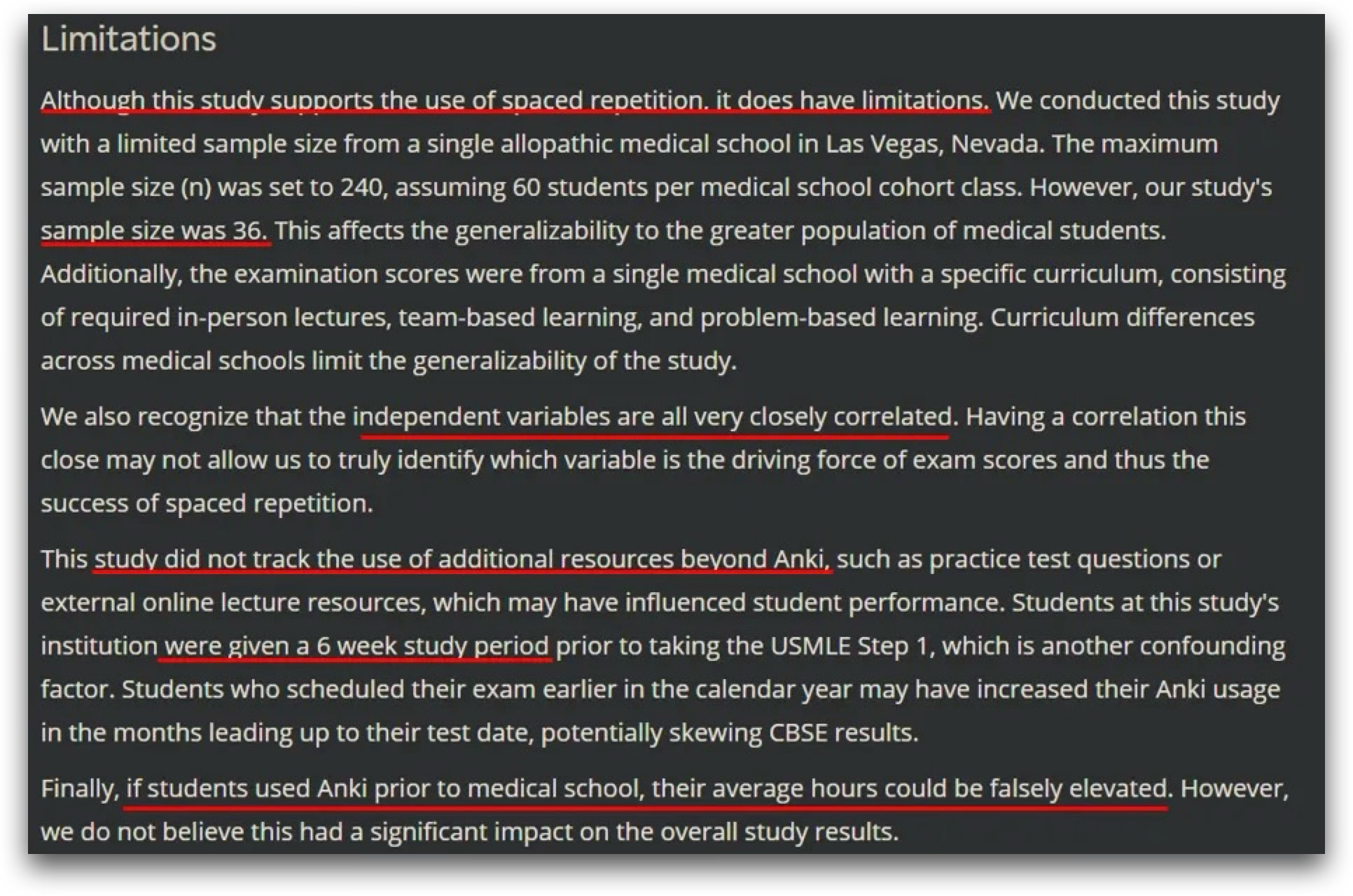
Other Potential Limitations
No baseline knowledge assessment
Students may have entered with vastly different foundational knowledge, making it impossible to isolate Anki's effect from prior learning
No control for baseline study skills:
Students with better existing study habits might naturally gravitate toward systematic tools like Anki
That’s all.
A small reminder that likes and shares are appreciated as it improves the ‘health’ of the Substack, meaning more people who subscribed will actually receive the emails in their inbox as opposed to their spam.
Thanks for reading.
Citations:
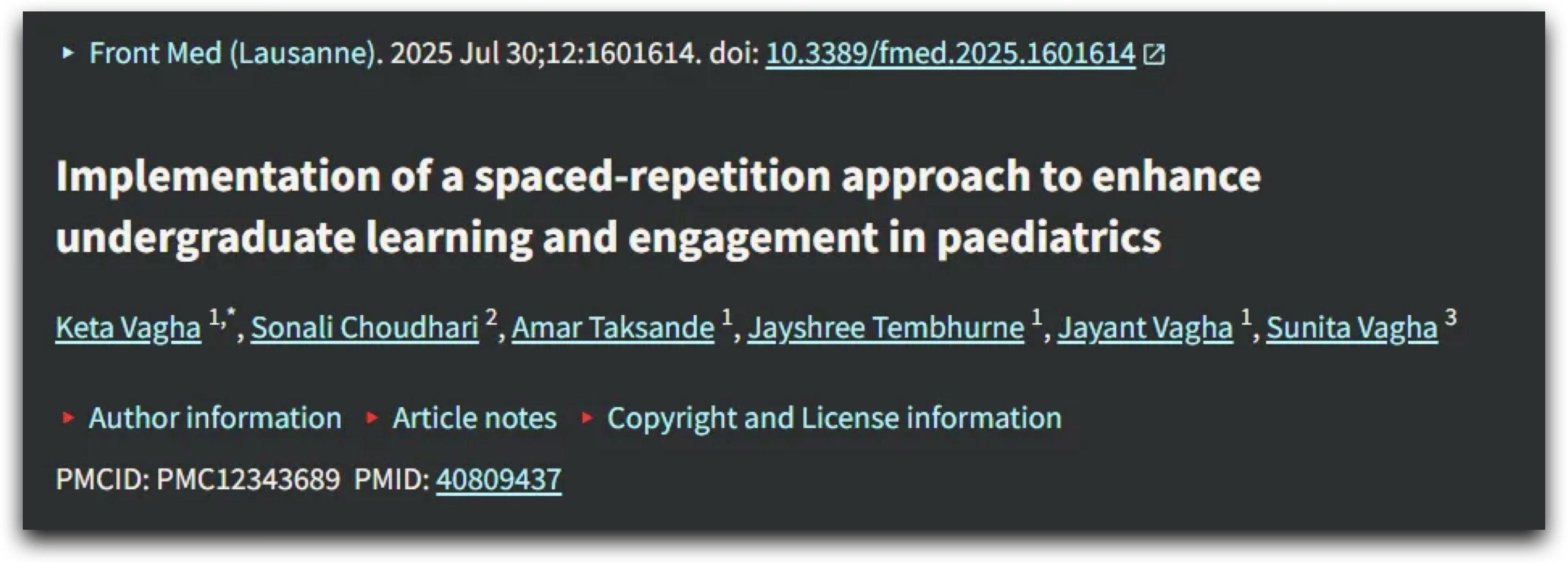
Vagha, K., Choudhari, S., Taksande, A., Tembhurne, J., Vagha, J., & Vagha, S. (2025). Implementation of a spaced-repetition approach to enhance undergraduate learning and engagement in paediatrics. Frontiers in medicine, 12, 1601614. https://doi.org/10.3389/fmed.2025.1601614
Winter, V., Ames, E., Jacobs, M., Georges, C., & Simanton, E. (2025). Exploring the Impact of Spaced Repetition Through Anki Usage on Preclinical Exam Performance. Journal of Medical Education and Curricular Development, 12. https://doi.org/10.1177/23821205251369705 (Original work published 2025)